Drafty Walls & Poor Insulation in Warren, MI
Drafty walls in Warren are a 1960s problem with a siding solution. The city's post-war homes were built with thin wall insulation, and the studs are cold lines through the wall — and a siding job is the moment the wall is open, the gaps are found, and the insulation and air sealing are fixed while the cladding is off.
Call Now
Describe what your siding is doing and where you are — a local siding professional is connected from there.
Call NowMon–Fri 7:00 AM–10:00 PM ET · Sat 8:00 AM–10:00 PM ET · Sun 7:00 AM–9:00 PM ET
What is drafty walls & poor insulation?
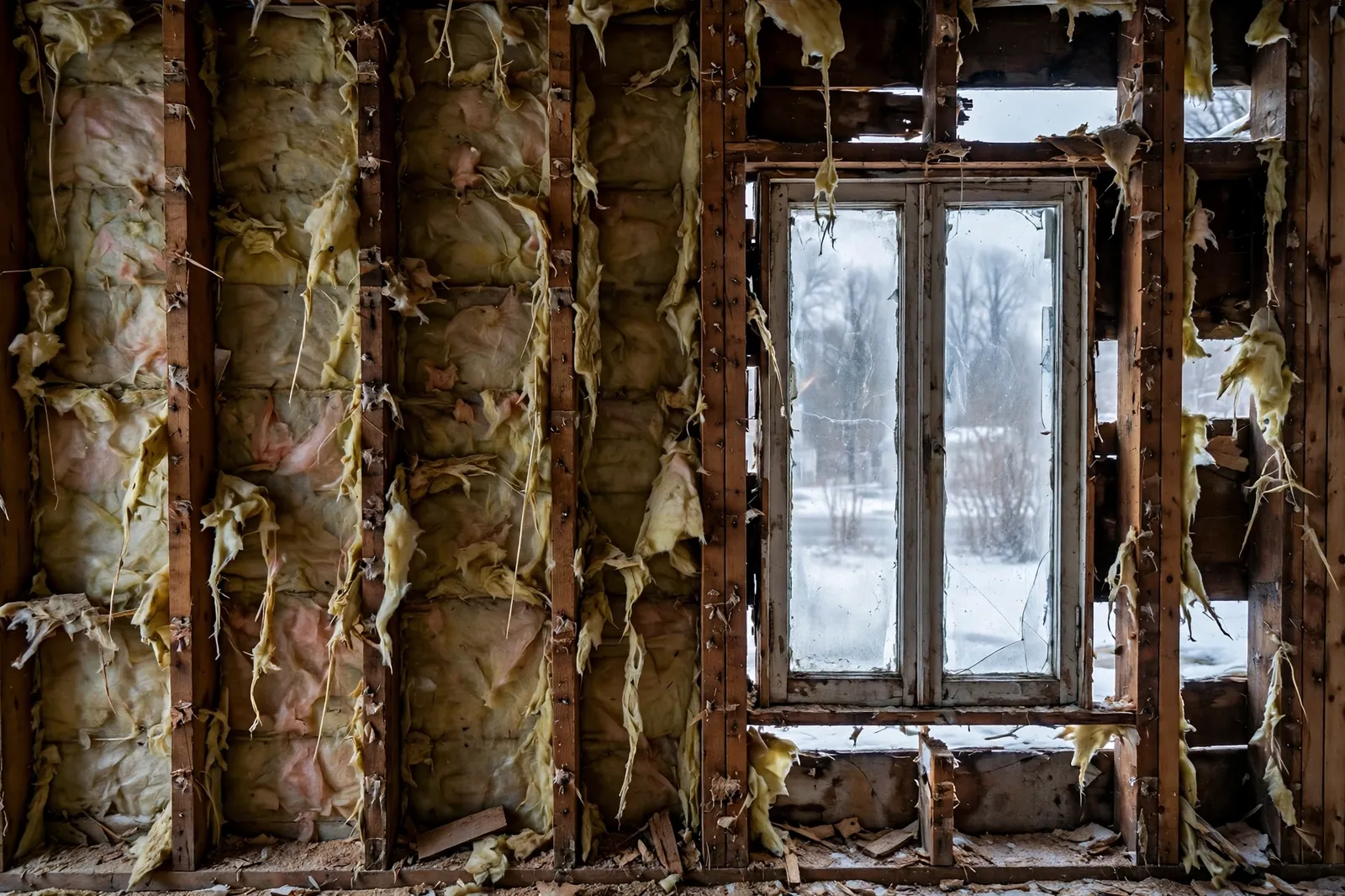
Warren's 1960s homes were built with the insulation standards of their era, and those standards were thin. The wall cavities hold what they hold — often a thin batt, sometimes settled, sometimes missing entirely around a window or a door — and the studs themselves are thermal bridges, cold lines through the wall wherever a stud sits. The result is a wall that feels cold to the touch in winter, a room that is always colder than the rest of the house, and a draft at every outlet and window on an exterior wall.
The draft is usually an air leak, not an insulation gap. Air comes in around the window, around the door, through the rim joist, through the penetrations for vents and meters — and it comes in because the wall was never sealed, not because the insulation is thin. The siding job is the moment those leaks are found, because the cladding is off and the wall is open, and the gaps can be seen and sealed while the crew is already there.
Insulated vinyl is the cladding that helps most on a drafty wall, because the foam backing adds a layer of continuous insulation that covers the studs as well as the cavities. But the backing is the finishing layer, not the fix — the air leaks and the missing insulation are fixed during the wall inspection, when the cladding is off and the wall is open, and the backing covers the wall that has already been sealed and insulated.
Why 1960s Warren walls feel cold
The city's housing stock was built with thin wall insulation by modern standards — 41 percent of homes built in the 1960s, another 33 percent in the 1940s and 1950s, and the insulation in those walls is often a thin batt that has settled, or is missing entirely around a window or a door. The studs are thermal bridges — cold lines through the wall wherever a stud sits — and the wall feels cold to the touch in winter, even when the room is heated.
The wall also leaks air. The gaps around windows and doors, the rim joist where the wall meets the floor, the penetrations for vents and meters — each one is a place where cold air comes in, and each one is a place the siding job can seal while the cladding is off. The draft at an outlet on an exterior wall is the sign of an air leak, not an insulation gap, and it is fixed by sealing the leak, not by adding insulation.
What a siding job finds in the wall
When the cladding comes off a 1960s Warren wall, the crew finds the gaps the homeowner has been feeling for years: the missing insulation around a window, the settled batt in a cavity, the rim joist that was never sealed, the housewrap that is torn at every penetration. Each one is photographed, so the homeowner sees the wall condition before the repair is planned, and each one is fixed while the wall is open — the insulation is restored, the gaps are sealed, and the housewrap is repaired.
The visit also finds the cold lines — the studs themselves, which are thermal bridges through the wall. Insulated vinyl covers those lines with a continuous foam layer, and the homeowner feels it as fewer cold spots on the inside of exterior walls. The backing is the finishing layer, not the fix — the air leaks and the missing insulation are fixed first, while the wall is open.
What the fix looks like
The fix is done while the cladding is off, because the wall is open and the gaps can be seen. Missing insulation is restored, air leaks around windows and doors are sealed, the rim joist is sealed, and the housewrap is repaired or replaced where it is torn. The wall is then detailed so it can drain and dry — flashing at every penetration, a drainage gap where the wall needs it, and a bottom edge that can drain — before the new cladding goes on.
The new cladding is chosen against the wall that has been fixed. Insulated vinyl is the usual choice on a drafty wall, because the foam backing adds a continuous layer over the studs. Fiber cement is the choice when the wall needs to hold its line and its finish longer, and the insulation is restored underneath it. The visit talks through the cladding against the wall that has been fixed, because the cladding is the finish, not the fix.
Other wall problems in Warren
Cracked & Warped SidingRotted SidingFaded & Peeling SidingLoose Siding & Wind DamageMoisture Behind Siding
Frequently asked questions
Straight answers to the questions Warren homeowners ask most.
The city's 1960s homes were built with thin wall insulation, and the studs are cold lines through the wall wherever a stud sits. The wall also leaks air around windows, doors, and penetrations. A siding job is the moment the wall is open, the gaps are found, and the insulation and air sealing are fixed while the cladding is off.
It can help, in two ways. First, insulated vinyl adds a layer of continuous insulation that covers the studs as well as the cavities, so the cold lines through the wall are covered. Second, the wall inspection finds the air leaks and missing insulation that a 1960s wall often hides, and those are fixed while the cladding is off. The siding job is the moment those are found and fixed — the cladding is the finish, not the fix.
A thermal bridge is a part of the wall that conducts cold through the insulation — in a wood-framed home, the studs themselves. The studs are solid wood, and they carry cold through the wall where the insulation does not reach. A continuous layer of insulation behind the cladding — the foam backing on insulated vinyl — covers the studs, so the cold lines are covered along with the cavities.
A siding replacement is the natural moment to look at the wall insulation, because the cladding is off and the wall is open. The visit inspects the insulation as part of the wall inspection — the cavities, the gaps around windows, the rim joist — and the missing insulation and air leaks are fixed while the wall is open. The cladding is chosen after the wall has been fixed, not before.
Talk about drafty walls & poor insulation on your wall?
One call connects you with a local siding professional for Warren and the towns around it.
Call NowTalk to a local siding professional
One call connects you with a local professional for Warren and nearby towns. Describe what your siding is doing — what cracks, what rattles, what stains — and the visit is arranged from there.
Mon–Fri 7:00 AM–10:00 PM ET · Sat 8:00 AM–10:00 PM ET · Sun 7:00 AM–9:00 PM ET
Service area
Sterling Heights, MI · Troy, MI · Madison Heights, MI · Roseville, MI · Eastpointe, MI · Clinton Township, MI · Shelby Township, MI · Fraser, MI · Center Line, MI · Detroit, MI
Warren Siding Pros is a referral service connecting customers with local siding professionals; it is not itself the service company.