Shake and Shingle Siding in Warren, MI
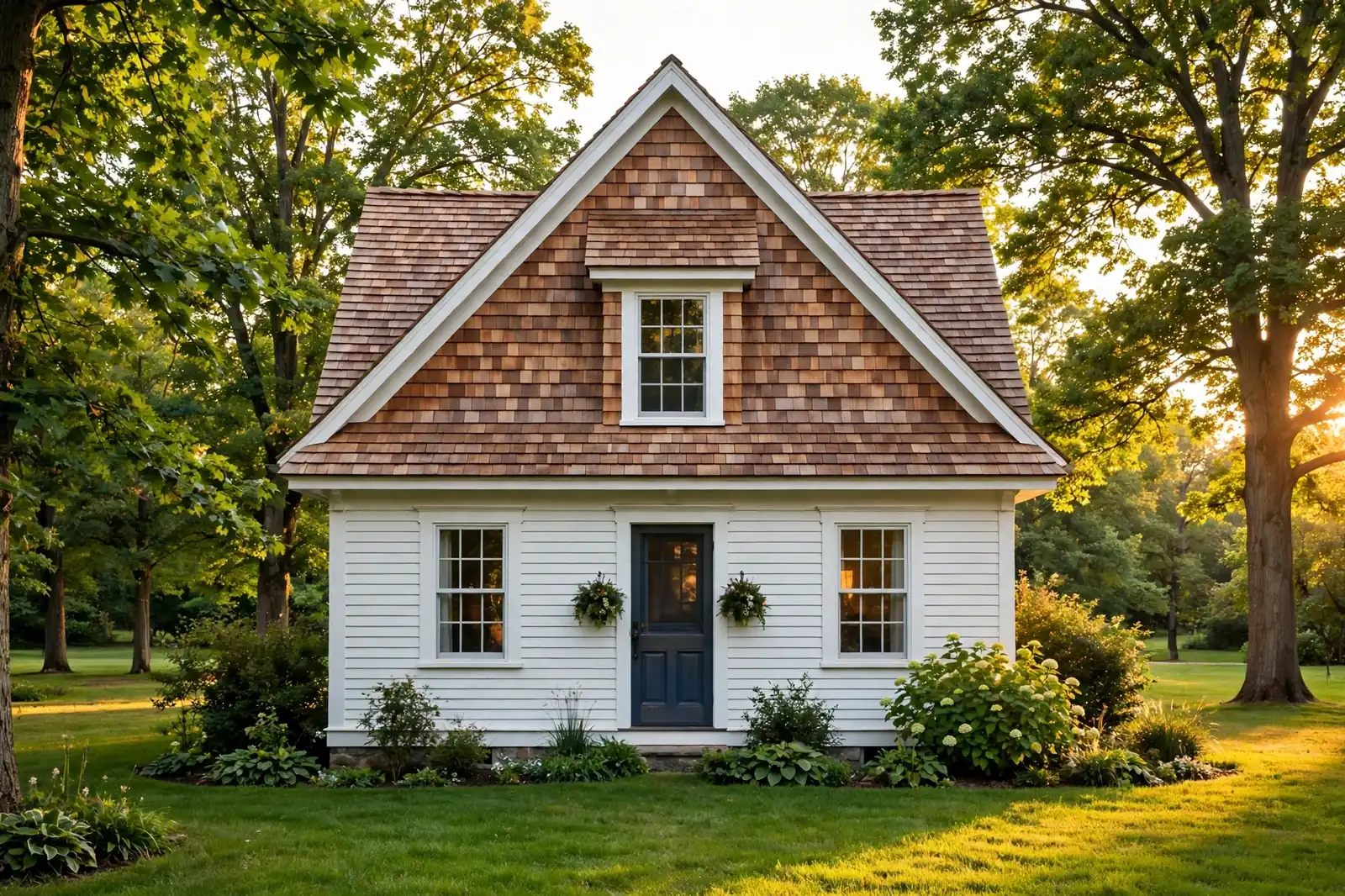
Shake and shingle siding is individual shingles in a staggered pattern — the texture no lap board can match. It suits a gable, a dormer, or a whole cottage wall, and it is the profile Warren homeowners choose when the house needs warmth and texture rather than a flat field.
Call Now
Describe what your siding is doing and where you are — a local siding professional is connected from there.
Call NowMon–Fri 7:00 AM–10:00 PM ET · Sat 8:00 AM–10:00 PM ET · Sun 7:00 AM–9:00 PM ET
What is shake and shingle siding?
Shakes and shingles are the most textured siding there is. Each shingle is a separate piece, laid in a staggered pattern with its own edges and its own shadow, and the wall reads as a surface rather than a field. The look is unmistakable — a cottage, a gable, a dormer — and it is the profile that makes a plain ranch look like a house with a history.
Cedar is the traditional material, and the one that gives the wall its warmth. Cedar shingles weather to a silver-grey if they are left unfinished, and they hold a stain or a paint if they are finished. Fiber cement shingles give the same staggered pattern in a material that holds its finish longer and does not need the maintenance cedar does. Engineered wood shingles sit between the two. The visit talks through the material against the exposure of your wall, because a shaded north gable and a sunny south gable do not ask the same thing of a shingle.
The profile demands the most care of any siding in a wet climate, because each shingle is a separate piece with its own edges, and the wall behind them needs to dry. The shingles are installed over a ventilated wall, with the bottom edge open to drain, and the finish is maintained so the shingles do not absorb water. A shake wall that is installed tight against a wall that cannot dry will fail in this climate; a shake wall on a wall that can breathe will last.
How shingles are installed
Each shingle is laid in a staggered pattern, with the joints offset from the course below so water cannot find a straight path into the wall. The shingles are fastened near the top, where the course above covers the fastener, and the bottom edge of each shingle is left open to shed water. The wall behind the shingles is ventilated, so air can move behind the shingles and the wall can dry.
The bottom edge is the critical detail, as it is with any vertical cladding. The lowest course needs clearance above grade and a flashing that directs water out, because the shingles carry water straight down to the bottom course. The visit checks the clearance before the shingles go on, and the wall is detailed so the bottom course can drain and dry.
Where shakes are used in Warren
The most common use in Warren is the gable — the triangular wall under the roof peak, where a staggered shingle pattern reads as the natural finish and a horizontal lap would look wrong. A gable in shingles over a field in lap is the most common mixed-cladding pattern in the city after board and batten, and it changes the street presence of a ranch without changing the structure.
The second use is the dormer — the small wall around a dormer window, where the shingle pattern suits the scale of the wall. The third is the whole cottage wall, on a home where the texture is the architecture and the owner is willing to maintain the finish. Each use demands the same ventilation and drainage detailing, because the shingle pattern is the same whether it covers a gable or a whole house.
Cedar, fiber cement, or engineered wood
Cedar is the traditional material and the most honest-looking, but it needs a finish that is maintained — a stain or a paint every several years, with the sunniest elevations needing it first. Left unfinished, cedar weathers to a silver-grey, and it can live like that for a long time on a wall that can dry.
Fiber cement shingles give the same staggered pattern in a material that holds its finish longer and does not need the repaint cycle that cedar does. Engineered wood shingles sit between the two — the look of wood with a factory finish that holds longer than a field-applied paint. The visit talks through the material against your home, your street, and your willingness to maintain the finish.
Other siding services in Warren
Insulated Vinyl SidingBoard and Batten SidingSiding for Garages & OutbuildingsVinyl Siding InstallationVinyl Siding ReplacementFiber Cement SidingJames Hardie Siding
Frequently asked questions
Straight answers to the questions Warren homeowners ask most.
It is siding made of individual shingles laid in a staggered pattern, with the joints offset from the course below so water cannot find a straight path into the wall. The shingles can be cedar, fiber cement, or engineered wood. The pattern gives a texture that no lap board can match, and it is used on gables, dormers, and whole cottage walls.
It can be, with the right detailing. Cedar needs a finish that is maintained, a wall that can dry, and a bottom edge that stays clear of the ground. A ventilated wall — air moving behind the shingles — matters more here than in a dry climate, because wet snow sits against the wall for weeks and the freeze-thaw cycle works on any water it finds. Cedar on a wall that can breathe will last; cedar on a wall that cannot dry will fail.
Lap siding is long horizontal boards that overlap the board below. Shake siding is individual shingles in a staggered pattern, each one a separate piece with its own edges. The shingle pattern gives more texture and more shadow, and it suits a gable or a cottage wall where a lap board would look flat. It also demands more care in installation, because each shingle is a separate piece and the wall behind them needs to dry.
Yes, and it is the most common use in Warren — a gable end in shingles over a field in lap siding. The gable is the wall where a staggered shingle pattern reads as the natural finish, and the mixed pattern changes the street presence of a ranch without changing the structure. The transition between the gable and the field is detailed so water sheds outward, not into the joint.
A finished cedar wall needs attention every several years, with the sunniest elevations needing it first. The finish is the shingle's weather layer, and when it fails the shingle starts absorbing water. A wall that is washed and inspected each year, with the finish renewed as it ages, holds up far longer than a wall that is left until the finish is failing everywhere at once. Left unfinished, cedar weathers to silver-grey and can live like that on a wall that can dry.
Talk about shake and shingle siding for your home?
One call connects you with a local siding professional for Warren and the towns around it.
Call NowTalk to a local siding professional
One call connects you with a local professional for Warren and nearby towns. Describe what your siding is doing — what cracks, what rattles, what stains — and the visit is arranged from there.
Mon–Fri 7:00 AM–10:00 PM ET · Sat 8:00 AM–10:00 PM ET · Sun 7:00 AM–9:00 PM ET
Service area
Sterling Heights, MI · Troy, MI · Madison Heights, MI · Roseville, MI · Eastpointe, MI · Clinton Township, MI · Shelby Township, MI · Fraser, MI · Center Line, MI · Detroit, MI
Warren Siding Pros is a referral service connecting customers with local siding professionals; it is not itself the service company.