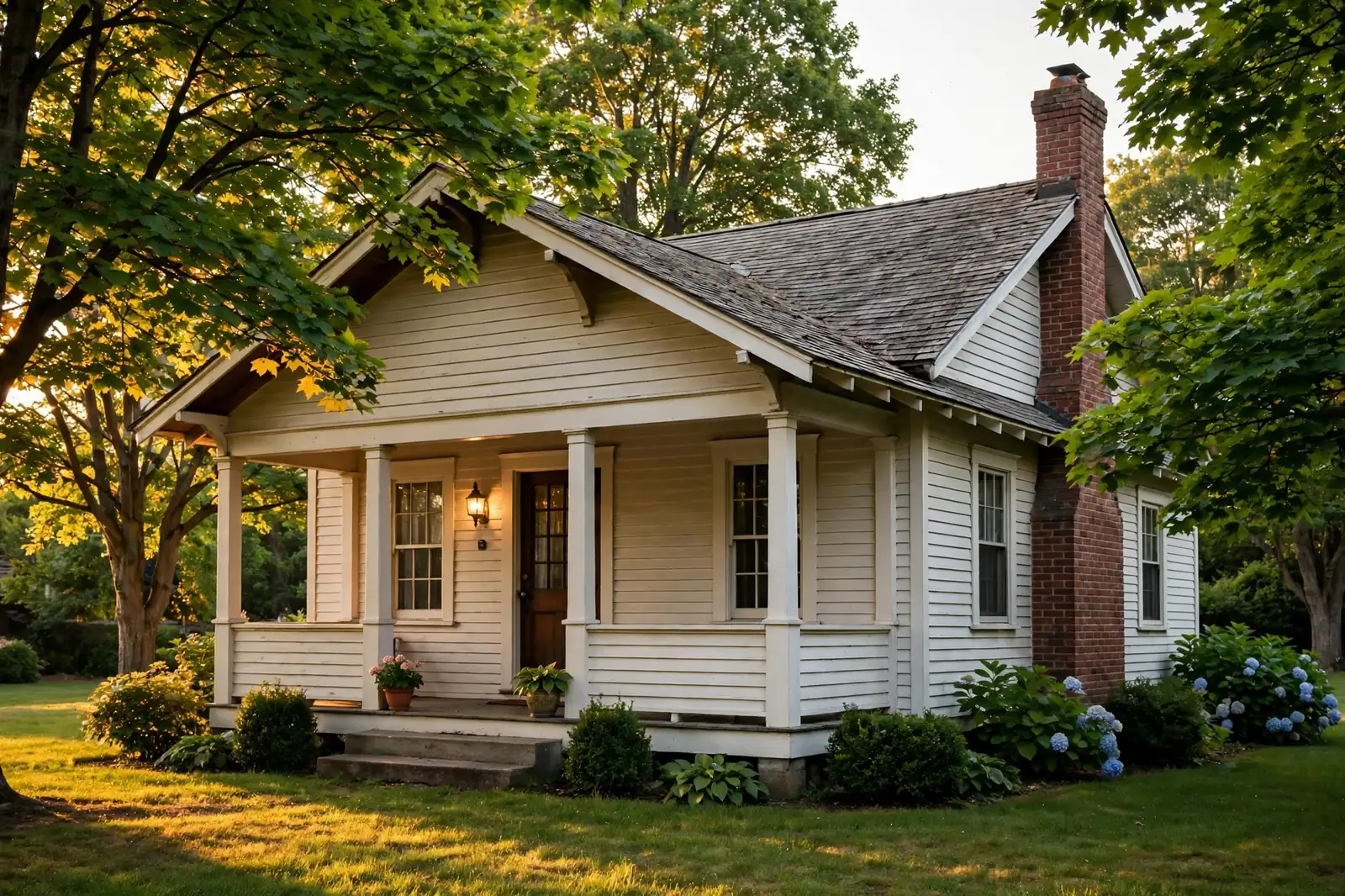
Wood Siding in Warren, MI
Wood siding is the cladding Warren's oldest homes were born with, and it is still the most honest-looking wall a house can wear. It asks more of its owner than vinyl or fiber cement — paint, ventilation, and attention at the bottom edge — and it pays that back in a look no manufactured board quite matches.
Call Now
Describe what your siding is doing and where you are — a local siding professional is connected from there.
Call NowMon–Fri 7:00 AM–10:00 PM ET · Sat 8:00 AM–10:00 PM ET · Sun 7:00 AM–9:00 PM ET
What is wood siding?
Before vinyl, before fiber cement, Warren's homes wore wood. The 1940s and 1950s bungalows and the 1960s ranches that make up most of the city were built with wood siding — clapboard, bevel, and in some cases cedar shingles on the gables. Much of that wood is still there, hidden under a layer of vinyl that went on in the 1980s or 1990s, and some of it is still visible on the homes whose owners kept painting it instead of covering it.
Wood is a living material in a way that vinyl and fiber cement are not. It absorbs water and gives it back, it moves with the seasons, and it tells you when it is unhappy — paint peeling, a board cupping, a bottom edge softening. That honesty is also its demand: wood needs a finish that is maintained, a wall that can dry, and a bottom edge that stays clear of the ground. In a Michigan winter, where wet snow sits against the wall for weeks and the freeze-thaw cycle works on any water it finds, those demands are not optional.
The homeowners who choose wood today usually have a specific reason. Sometimes it is a historic home where the street expects wood and the house looks wrong in anything else. Sometimes it is a gable accent or a porch wall where the warmth of real wood matters and the exposure is small. Sometimes it is simply a preference — a homeowner who likes the look and the feel of a real board and is willing to maintain it. The visit starts by finding out which of those reasons it is, because the right wood job depends on the answer.
How wood siding works
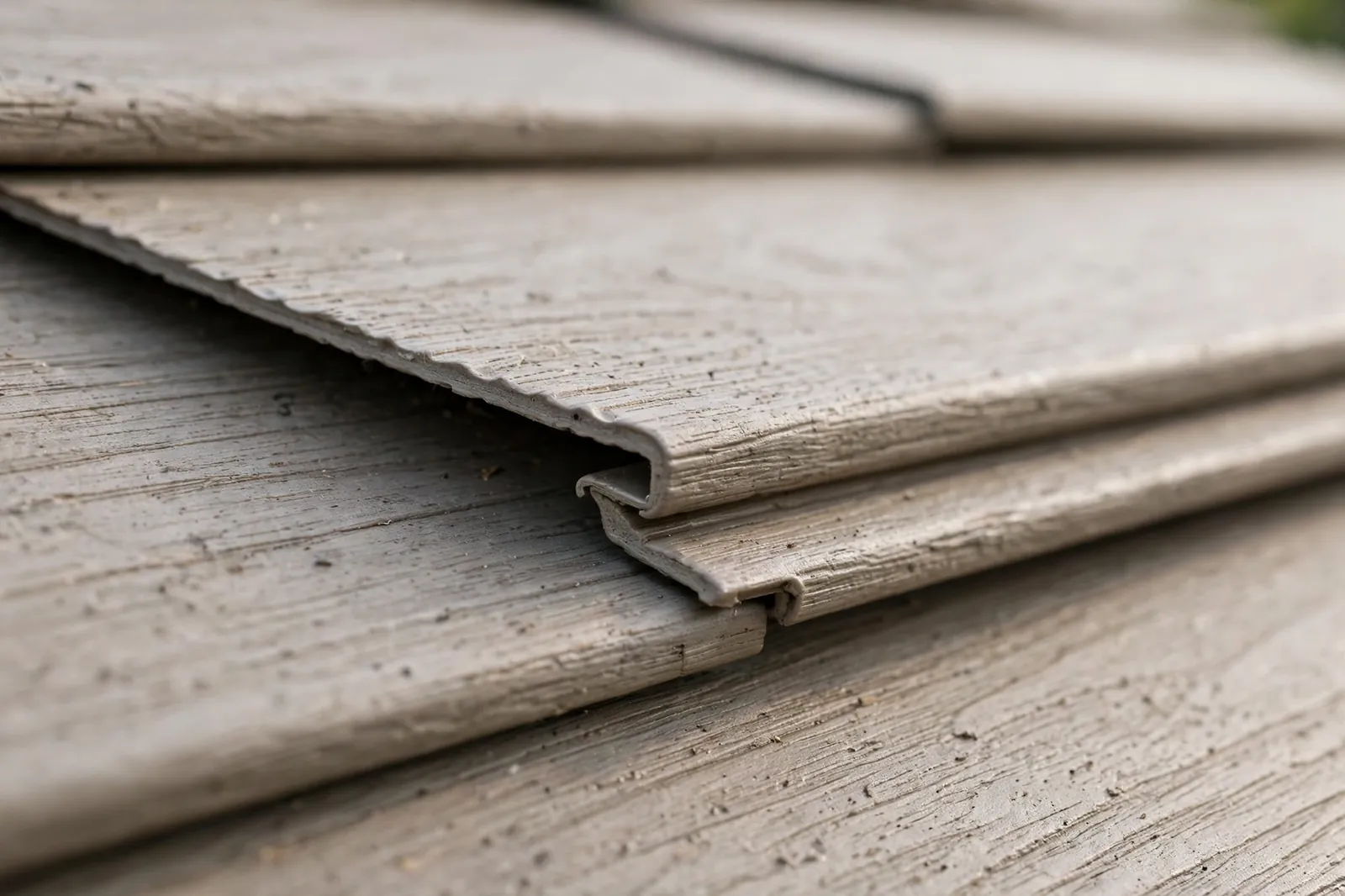
Wood siding covers several profiles. Bevel or clapboard siding is the traditional horizontal board, thicker at the bottom edge than the top, overlapping the board below. Cedar shingles are individual shingles in a staggered pattern, used on whole walls or as a gable accent. Board and batten runs vertically, with wide boards and narrow battens covering the joints. Each profile behaves differently in weather, and each one demands a different finish and ventilation detail.
The species matters too. Cedar is the usual choice in this market because it resists rot and insects better than pine, holds paint well, and weathers to a silver-grey if it is left unfinished. Pine is the budget choice and the traditional choice for a painted wall, but it needs a sound finish and a wall that dries, because it absorbs water more readily than cedar. The visit talks through the species against the exposure of your wall — a shaded north wall and a sunny south wall do not ask the same thing of a board.
Signs you may need wood siding
Paint peeling in sheets
When paint comes off in sheets rather than flaking in small pieces, the board underneath is holding water. The paint is failing from behind, not from the sun, and the cause is usually a flashing gap above the peeling area or a bottom edge that has been sitting in splash-back.
Boards cupping or curling
A board that cups — its edges lifting away from the wall — is drying unevenly, with the face drying faster than the back. The cause is usually a missing ventilation path behind the boards, or a finish that has failed on one face and not the other.
Soft spots at the bottom course
The bottom course is where wood shows trouble first, because it sits closest to splash-back and snowpack. A soft spot there means the board has been absorbing water, and the wall behind it needs to be checked before any new board goes on.
Insect damage at corners and joints
Wood that has been softened by water attracts insects, and the damage usually shows first at corners, joints, and the bottom course — the same places water collects. Insect damage in a board is a sign the water problem came first.
Grey, weathered boards with no finish left
A board that has weathered to silver-grey has lost its finish entirely. Cedar can live like that for a long time, but a painted pine board cannot — once the finish is gone, the board absorbs water with every rain and the freeze-thaw cycle works on it all winter.
Gaps opening between boards
Boards shrink as they dry, and gaps that open in winter and close in summer are normal movement. Gaps that stay open, or that grow year by year, mean the boards were installed too dry, or the wall behind them is moving.
What the service includes
Wall inspection and sheathing check
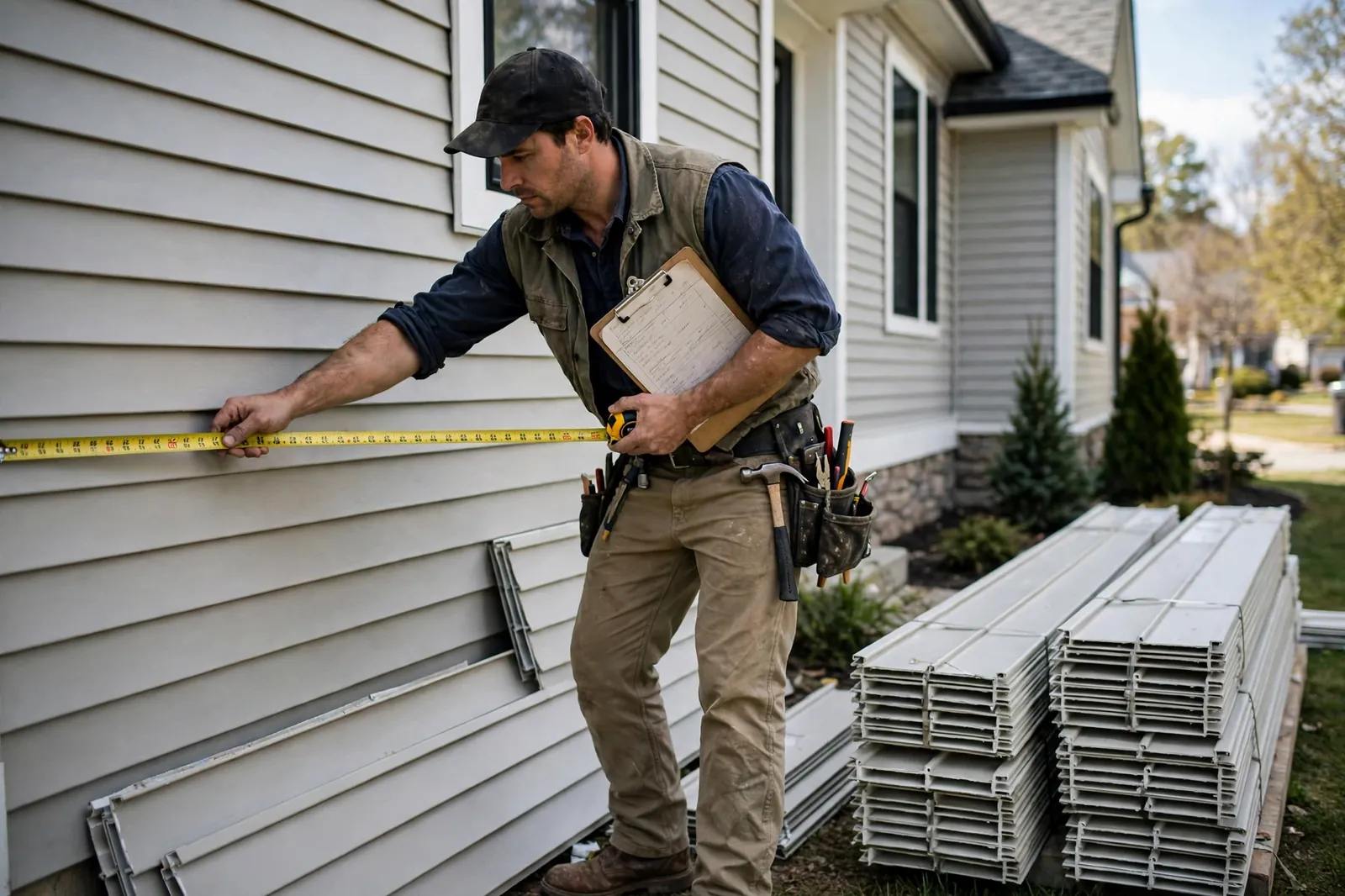
The existing cladding is opened in a test area so the sheathing, housewrap, and flashing can be inspected before the wood plan is written.
Species and profile selection
The species and the profile are matched to the exposure of each elevation — cedar where the wall stays wet, a profile that suits the style of the home.
Ventilation detailing
The wall is detailed so air can move behind the boards and the wall can dry — a rainscreen gap or a ventilated cavity, with the bottom edge open to drain.
Board installation, blind-nailed
Boards are installed with the fastener placement the profile calls for, with joints staggered and the bottom edge set clear of grade.
Priming and finish
Boards are primed on all sides before installation where the profile calls for it, and the finish is applied after the boards are up and the joints are set.
Walk-through and finish check
Every board, joint, and clearance is walked with the homeowner at the end, and the finish is checked elevation by elevation.
Options and choices
Bevel siding is the traditional Warren profile — the board the city's oldest homes were built with, and the one that suits a bungalow or a colonial. It overlaps the board below, sheds water outward, and carries a shadow line that reads as a real board from the street. The exposure — how much of each board shows — changes the look more than any other choice, and the visit sets it against the scale of your home.
Cedar shingles suit a gable, a dormer, or a whole cottage wall. They are individual shingles in a staggered pattern, and they give a texture that no lap board can match. They are also the profile that demands the most care in a wet climate, because each shingle is a separate piece with its own edges, and the wall behind them needs to dry.
Board and batten runs vertically and gives a wall a strong, simple line. It suits a modern farmhouse, a garage wall, or an accent elevation. The vertical boards carry water straight down to the bottom course, so the bottom edge detail — clearance, drainage, and a finish that holds — matters more here than on any horizontal profile.
What happens when you call
Call and visit
One call arranges a visit. The crew walks every elevation, notes the existing wood or the wood underneath the vinyl, and listens for why you want wood on this wall.
Wall inspection
A test area is opened so the sheathing, housewrap, and flashing can be inspected. Wood needs a wall that can dry, and the inspection confirms the wall can.
Plan and species choice
The plan covers the species, the profile, the finish, the ventilation detailing, and the sequence of elevations.
Preparation and ventilation
Old cladding comes off, damaged sheathing is replaced, and the ventilation and drainage path is built before any board goes on the wall.
Installation, finish, and walk-through
Boards are installed, primed, and finished, and the finished wall is walked with you, board by board, before the crew leaves.
Mistakes to avoid
Painting only the face
A board that is painted on the face and left bare on the back and edges absorbs water from behind, and the paint fails from the inside out. Boards are primed on all sides where the profile calls for it.
Sealing the wall tight
Wood needs to dry. A wall sealed tight behind wood traps water against the boards, and the freeze-thaw cycle works on the trapped water all winter.
Ignoring the bottom edge
The bottom course is where wood fails first. A bottom edge that sits in splash-back or snowpack absorbs water all winter, and no finish will save it.
Using pine where cedar belongs
A shaded, wet elevation asks more of a board than a sunny, dry one. Pine on a wet wall needs a sound finish and a wall that dries; cedar forgives more.
Siding in Warren
Warren's oldest homes are wood homes, and the city's wood siding story is written in its 1940s and 1950s streets. The bungalows off 9 Mile and the ranches off 12 Mile were built with wood, and many of them still have that wood under a layer of vinyl. When the vinyl comes off for a replacement, the crew often finds the original clapboard underneath — sometimes sound, sometimes soft at the bottom course, always a record of how the wall has handled seventy Michigan winters.
The homeowners who keep wood in Warren are usually the ones who understand the bargain. Wood asks for paint every several years, attention at the bottom edge, and a wall that can dry. In return it gives a wall that looks like a real board, ages with character, and suits the oldest streets in the city in a way that no manufactured panel quite does. The visit is honest about that bargain, because a wood wall chosen with open eyes is a wood wall that gets maintained.
Other siding services in Warren
Vinyl Siding InstallationVinyl Siding ReplacementFiber Cement SidingJames Hardie SidingEngineered Wood SidingMetal SidingSiding RepairEmergency Siding RepairSoffit, Fascia & Siding Trim
Frequently asked questions
Straight answers to the questions Warren homeowners ask most.
It can be, with the right detailing. Wood needs a finish that is maintained, a wall that can dry, and a bottom edge that stays clear of the ground. Cedar handles the wet side of a Michigan winter better than pine, and a ventilated wall — air moving behind the boards — matters more here than in a dry climate. Wood that is installed tight against a wall that cannot dry will fail in this climate; wood on a wall that can breathe will last.
A painted wood wall needs attention every several years, with the sunniest elevations needing it first. The paint is the board's weather layer, and when it fails the board starts absorbing water. A wall that is washed and inspected each year, with peeling areas dealt with as they appear, holds its finish far longer than a wall that is left until the paint is failing everywhere at once.
Wood is the most repairable cladding there is. A single damaged board can be cut out and replaced, a bottom course can be renewed without touching the wall above it, and a gable can be re-shingled on its own. Full replacement makes sense when the damage is spread across the house — soft boards on several elevations, paint failing everywhere, or a wall underneath that needs inspection.
Cedar resists rot and insects better than pine, holds paint well, and can be left to weather to a silver-grey. Pine is the traditional painted board and the lower-cost choice, but it absorbs water more readily and needs a sound finish and a wall that dries. The choice depends on the exposure of your wall and on whether you want a painted finish or a natural weathered look.
Paint peels when the board underneath is holding water. The water usually comes from a flashing gap above the peeling area, a bottom edge sitting in splash-back, or a wall that cannot dry behind the boards. Painting over peeling paint without finding the water source only repeats the failure — the new paint peels the same way, from behind.
Sound, dry wood does not attract insects. Wood that has been softened by water does, and the damage usually shows first at corners, joints, and the bottom course — the same places water collects. Keeping the wall dry and the finish sound is the insect control that matters most for a wood wall.
Often, yes. When the vinyl comes off a 1950s Warren home, the original clapboard underneath is sometimes sound enough to keep, with the bottom course renewed and the finish restored. The inspection decides — soft boards are replaced, sound boards are kept, and the wall is detailed so it can dry. Keeping the original wood is the most honest restoration a Warren home can get.
Yes, and the visit says so plainly. Wood needs paint every several years, attention at the bottom edge, and a wall that can dry. Vinyl needs a wash, and fiber cement needs a look at its joints. What wood gives back is a wall that looks like a real board, ages with character, and suits the oldest streets in Warren in a way no manufactured panel does.
Talk about wood siding for your home?
One call connects you with a local siding professional for Warren and the towns around it.
Call NowTalk to a local siding professional
One call connects you with a local professional for Warren and nearby towns. Describe what your siding is doing — what cracks, what rattles, what stains — and the visit is arranged from there.
Mon–Fri 7:00 AM–10:00 PM ET · Sat 8:00 AM–10:00 PM ET · Sun 7:00 AM–9:00 PM ET
Service area
Sterling Heights, MI · Troy, MI · Madison Heights, MI · Roseville, MI · Eastpointe, MI · Clinton Township, MI · Shelby Township, MI · Fraser, MI · Center Line, MI · Detroit, MI
Warren Siding Pros is a referral service connecting customers with local siding professionals; it is not itself the service company.