Soffit, Fascia & Siding Trim in Warren, MI
Soffit, fascia, and trim are the details that make a siding job look finished — and the details that fail first when they are done wrong. The eave is where the roof meets the wall, the trim is where every panel ends, and both of them decide whether water stays out of the house.
Call Now
Describe what your siding is doing and where you are — a local siding professional is connected from there.
Call NowMon–Fri 7:00 AM–10:00 PM ET · Sat 8:00 AM–10:00 PM ET · Sun 7:00 AM–9:00 PM ET
What is soffit, fascia & siding trim?
Homeowners rarely call about soffit and fascia by name. They call about the stain under the eave, the paint peeling on the fascia board, the birds in the attic, or the gutter that keeps pulling away from the house. All of those are soffit and fascia problems, and all of them are also siding problems — because the eave is where the roof, the wall, and the gutter meet, and a failure at that joint shows up on the siding below it.
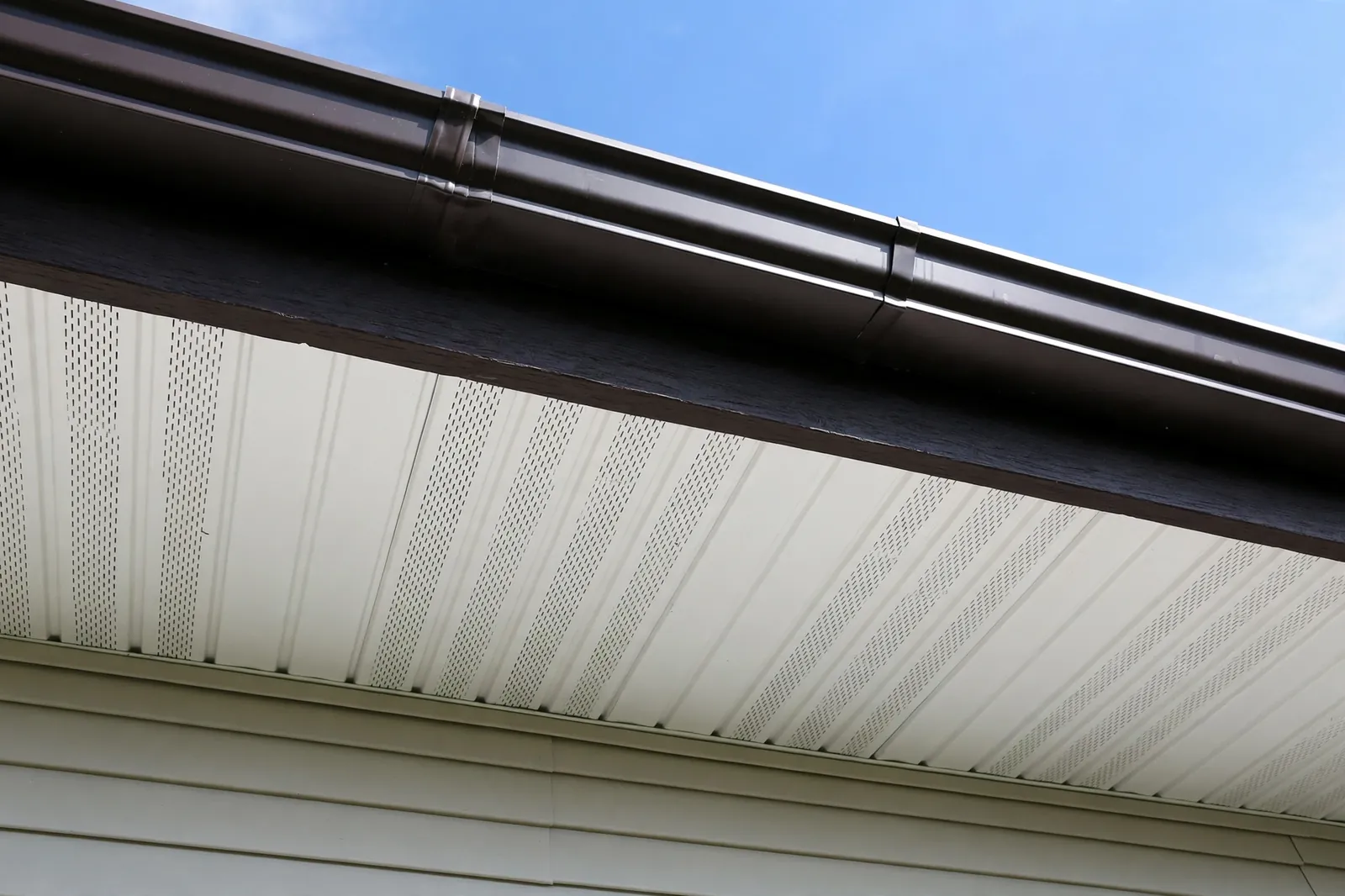
The soffit is the underside of the eave — the flat surface you see when you stand under the roof overhang and look up. The fascia is the vertical board at the edge of the roof, the board the gutter hangs from. The trim is the corner posts, the J-channel, and the window and door casings that finish the edges of the siding. Together they are the frame around the wall, and a wall with a bad frame looks bad and leaks, no matter how good the panels are.
In Warren, the eave takes a particular beating. Ice dams form at the eave in winter, when heat from the attic melts snow on the roof and the water refreezes at the cold overhang. The ice lifts the shingles, backs water under the roof edge, and soaks the fascia and the top course of siding. A soffit that cannot ventilate makes the ice dam worse, because the attic stays warm and the snow keeps melting. The eave is therefore a ventilation job as much as a trim job, and the visit treats it that way.
How soffit, fascia & siding trim works
Soffit work means the underside of the eave is inspected, ventilated, and finished — usually in vented vinyl or aluminum panels that let air into the attic while keeping insects and weather out. The panels are installed with room to move, locked along their length, and finished with a J-channel at the wall and a fascia cover at the roof edge. The ventilation is the point: the soffit is the intake for the attic, and an attic that cannot breathe is an attic that grows ice dams in winter and heat in summer.
Fascia work means the vertical board at the roof edge is inspected, repaired or covered, and finished so the gutter hangs straight and the roof edge sheds water. The fascia is often covered in aluminum — a bent-metal cap that protects the board underneath and gives the roofline a clean, straight edge. The cover is only as good as the board behind it, so a rotted fascia board is replaced before it is covered, not after.
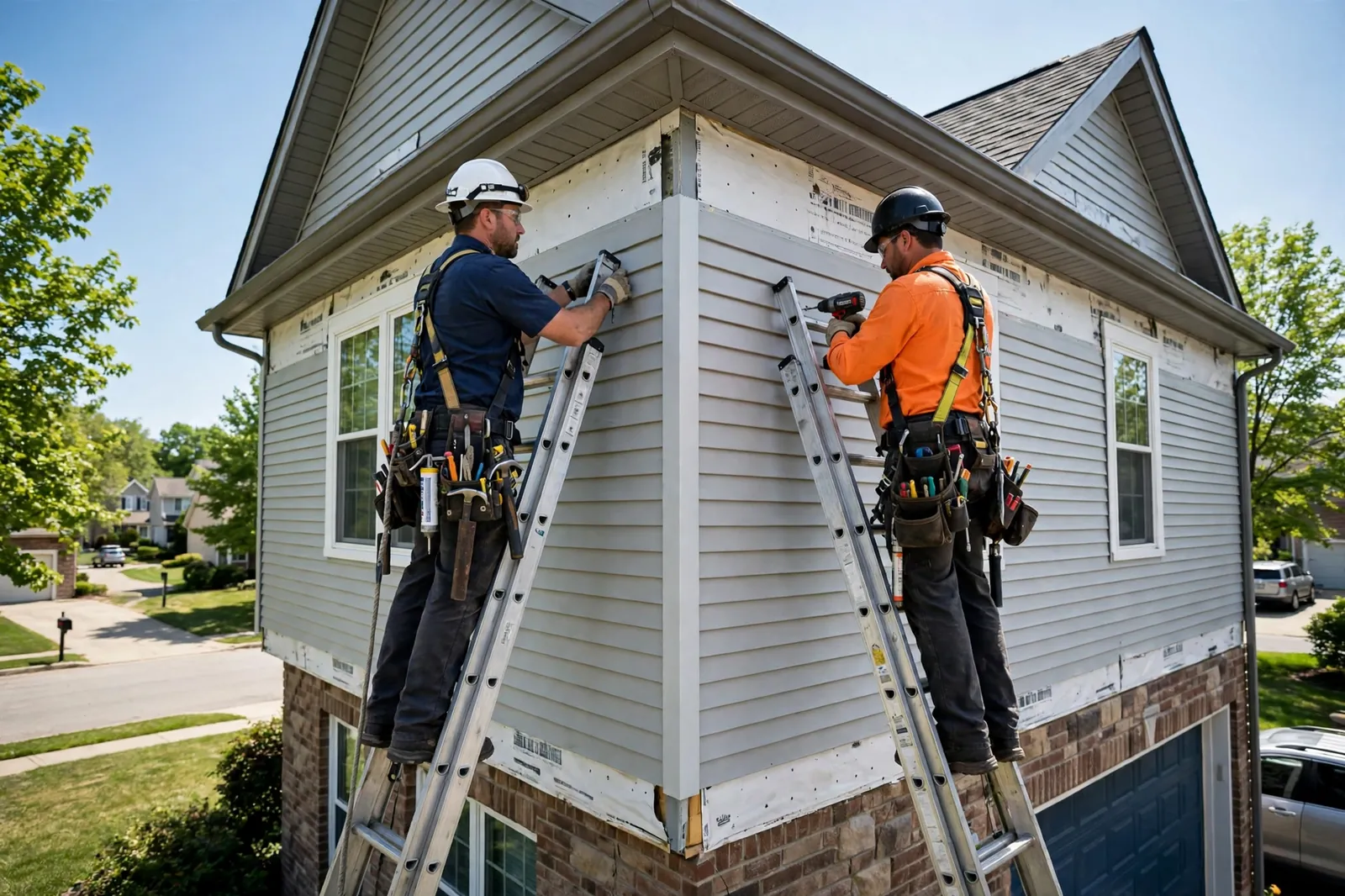
Trim work means the corner posts, the J-channel, and the window and door casings are set plumb and level, in the same material as the field, so every panel on the wall follows a straight line. Trim is where a siding job shows its quality first, because the eye reads the corners and the windows before it reads the field.
Signs you may need soffit, fascia & siding trim
Peeling paint on the fascia
Paint peeling on the fascia board usually means water is getting behind it — from an ice dam, a gutter that overflows, or a roof edge that was never flashed right. The fascia is the first board the roof water touches, and it shows the failure first.
Stains under the eave
Dark streaks on the soffit or on the top course of siding below the eave mark a water path from the roof edge. The source is usually an ice dam, a gutter overflow, or a flashing gap at the roof-to-wall joint.
Birds or insects in the attic
A soffit with a gap, a hole, or a missing panel is an open door into the attic. Birds, wasps, and squirrels find the gap before the homeowner does, and the repair is the soffit — sealed, vented, and screened.
A gutter pulling away from the house
A gutter that pulls away is usually hanging from a fascia board that has softened, or from fasteners that have worked loose in a rotted board. The repair is the fascia, not the gutter — a new gutter hung on a soft board will pull away the same way.
Soffit panels sagging or loose
A soffit panel that sags or hangs loose has usually lost its lock or its support, and it is letting weather into the eave. The repair is the panel and the support behind it, not just pushing the panel back into place.
Trim that is out of plumb
A corner post or a window casing that leans or waves pulls every panel that meets it out of line. Trim that is out of plumb is usually a sign the trim was installed against a wall that was never levelled, or the trim itself has moved with the seasons.
What the service includes
Eave inspection
The soffit, the fascia, and the roof edge are inspected together, because the eave is one system — roof, gutter, fascia, soffit, and the top course of siding.
Ventilation check
The soffit ventilation is checked against the attic — the intake at the eave and the exhaust at the ridge — because a soffit that cannot breathe makes ice dams worse.
Fascia repair or cover
A rotted fascia board is replaced before it is covered, and the cover is bent and fitted so the roofline reads straight from the street.
Soffit panel installation
Vented soffit panels are installed with room to move, locked along their length, and finished with J-channel at the wall and a fascia cover at the roof edge.
Trim set plumb and level
Corner posts, J-channel, and window and door casings are set plumb and level, in the same material as the field, so every panel follows a straight line.
Walk-through and gutter check
The finished eave is walked with you, the gutter is checked for a straight hang, and the ventilation is confirmed before the crew leaves.
Options and choices
Vented vinyl soffit is the usual choice in Warren — a panel that lets air into the attic while keeping weather and insects out, in a finish that matches the siding. It is light, it never needs paint, and it is installed with the same loose-hung discipline as the siding on the wall. The vent pattern matters: too little venting starves the attic, and the visit sizes the venting against the attic it serves.
Aluminum fascia cover is the usual choice for the roof edge — a bent-metal cap that protects the fascia board underneath and gives the roofline a clean, straight edge. The cover is only as good as the board behind it, so a rotted board is replaced first. The colour is matched to the trim, and the cover is bent to the profile of the roof edge, not to a generic shape.
Wood trim suits a home where the trim is meant to read as wood — a historic home, a cottage, a porch wall. It is painted to match the field, and it needs the same finish maintenance as any wood on the house. The visit talks through the wood trim choice against the exposure of the wall, because a south-facing wood trim needs more attention than a shaded one.
What happens when you call
Call and visit
One call arranges a visit. The crew walks the eaves with you, looks at the fascia and the soffit, and listens for the problems you have already spotted — the stain, the peeling paint, the birds.
Eave inspection
The soffit, the fascia, the gutter, and the roof edge are inspected together, and the attic ventilation is checked from the eave.
Plan and material choice
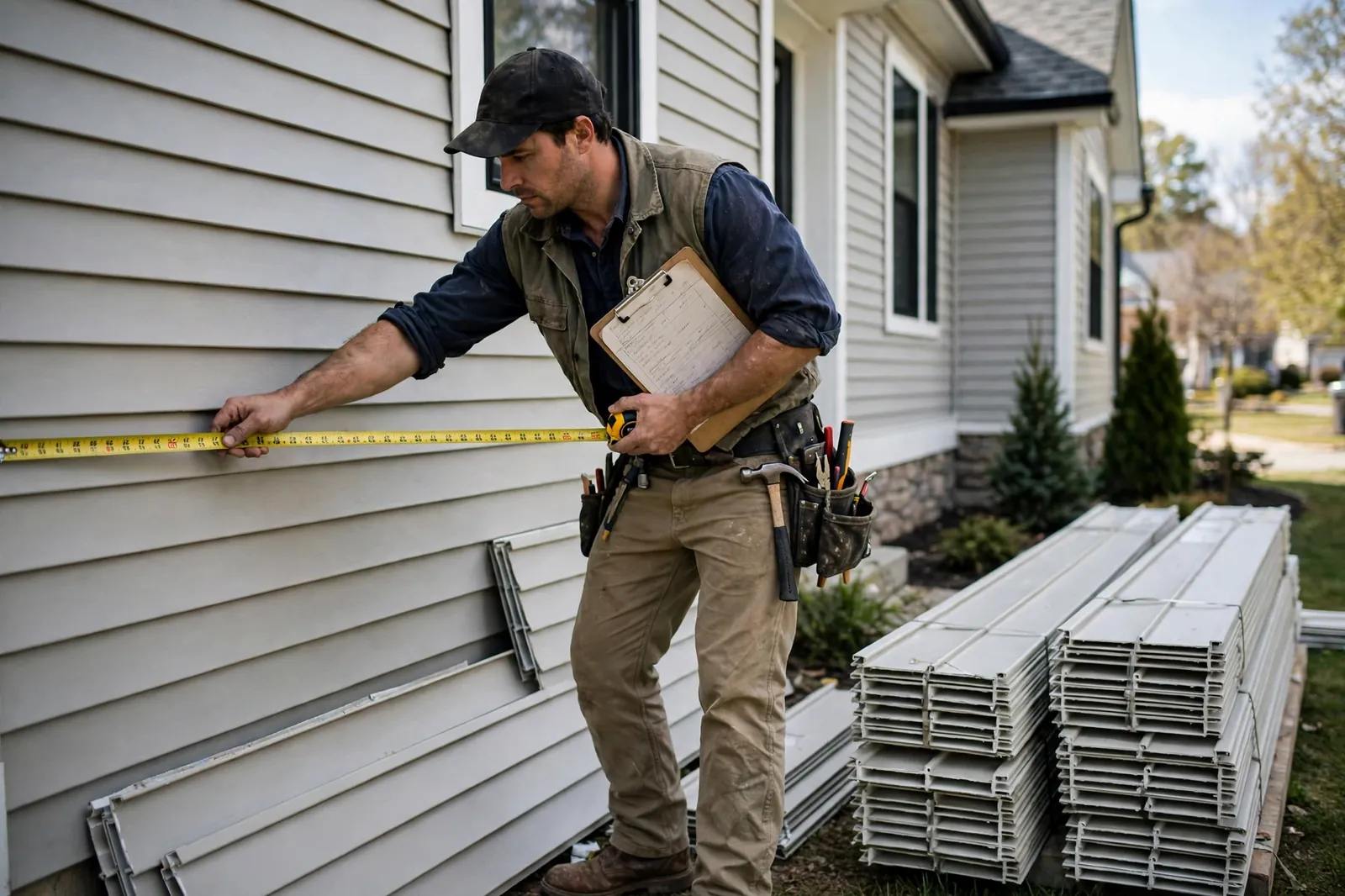
The plan covers the soffit panels, the fascia cover, the trim, and the ventilation, with the material ordered to measurements taken on the visit.
Repair and installation
Damaged boards are replaced, the soffit panels go in vented and locked, the fascia is covered, and the trim is set plumb and level.
Walk-through and gutter check
The finished eave is walked with you, the gutter is checked for a straight hang, and the ventilation is confirmed before the crew leaves.
Mistakes to avoid
Covering a rotted fascia board
An aluminum cover over a rotted board hides the rot and holds the gutter on a board that cannot hold it. The board is replaced before it is covered.
Sealing the soffit shut
A soffit that cannot ventilate starves the attic, and a starved attic grows ice dams in winter. The soffit is the attic's intake, and it needs to breathe.
Ignoring the gutter hang
A gutter hung on a soft fascia board will pull away, and a gutter that pulls away dumps roof water against the wall. The fascia and the gutter are one job.
Setting trim out of plumb
Trim that leans pulls every panel that meets it out of line. The trim is set plumb and level first, and the panels follow the trim.
Siding in Warren
Warren's eaves are tested by the same ice dams that test the whole Detroit metro. The pattern is set by the city's housing stock: the 1960s ranches and colonials that make up most of Warren have low-pitched roofs and wide eaves, and the attics above them are often under-insulated by modern standards. Heat from the house melts snow on the roof, the water runs to the cold overhang and refreezes, and the ice backs water under the shingles and into the fascia and the top course of siding. The soffit is the intake that is supposed to keep the attic cold enough to prevent that cycle — and when the soffit is blocked, painted shut, or missing, the ice dam is worse.
The repair pattern in Warren is therefore a ventilation pattern as much as a trim pattern. The crew that opens a Warren eave usually finds a soffit that was never vented properly, a fascia board that has been soaking for years, and a gutter that has been pulling away from the soft board behind it. The repair fixes all three — the ventilation, the board, and the hang — because fixing one without the others only moves the failure to the next winter.
Other siding services in Warren
Vinyl Siding InstallationVinyl Siding ReplacementFiber Cement SidingJames Hardie SidingWood SidingEngineered Wood SidingMetal SidingSiding RepairEmergency Siding Repair
Frequently asked questions
Straight answers to the questions Warren homeowners ask most.
The soffit is the underside of the eave — the flat surface you see when you stand under the roof overhang and look up. The fascia is the vertical board at the edge of the roof, the board the gutter hangs from. The soffit ventilates the attic; the fascia protects the roof edge and carries the gutter. They meet at the corner of the eave, and they are inspected together because the eave is one system.
Paint peels on the fascia when the board underneath is holding water — from an ice dam, a gutter that overflows, or a roof edge that was never flashed right. The fascia is the first board the roof water touches, and it shows the failure first. The repair is the water source and the board, not just a new coat of paint over a wet board.
Yes, in a Michigan climate. The soffit is the intake for the attic ventilation — air comes in at the eave and out at the ridge, keeping the attic cold in winter and cooler in summer. A soffit that is blocked or sealed shut starves the attic, and a starved attic grows ice dams in winter. The visit checks the soffit ventilation against the attic it serves.
An ice dam forms when heat from the house melts snow on the roof, the water runs to the cold overhang and refreezes, and the ice backs water under the shingles. The eave is where the dam forms, and the fascia and the top course of siding are where the water shows. Attic ventilation — air in at the soffit, out at the ridge — is the detail that keeps the roof cold enough to prevent the cycle.
Yes. The eave is a separate system from the wall, and the soffit panels, the fascia cover, and the trim can be repaired or replaced without touching the siding on the wall below — except at the top course, where the siding meets the soffit. The visit checks that joint, because it is the joint where the eave and the wall meet.
A gutter usually pulls away because it is hanging from a fascia board that has softened, or from fasteners that have worked loose in a rotted board. The repair is the fascia, not the gutter — a new gutter hung on a soft board will pull away the same way. The visit inspects the board before the gutter is re-hung.
J-channel is the trim piece that finishes the edge of the siding where it meets the soffit, the fascia, or a window or door. It is shaped like the letter J, and the end of the siding panel slides into it. It is the detail that makes the edge of the wall look finished, and it is also a water detail — it catches the water that runs off the panel and directs it out.
The signs are indirect: ice dams at the eave in winter, a hot attic in summer, paint peeling on the fascia, or a musty smell in the attic. The direct check is to look at the soffit itself — vented panels have slots or perforations, and a soffit that is solid, painted shut, or blocked with insulation is not ventilating. The visit checks the soffit from the eave and the attic from the inside.
Talk about soffit, fascia & siding trim for your home?
One call connects you with a local siding professional for Warren and the towns around it.
Call NowTalk to a local siding professional
One call connects you with a local professional for Warren and nearby towns. Describe what your siding is doing — what cracks, what rattles, what stains — and the visit is arranged from there.
Mon–Fri 7:00 AM–10:00 PM ET · Sat 8:00 AM–10:00 PM ET · Sun 7:00 AM–9:00 PM ET
Service area
Sterling Heights, MI · Troy, MI · Madison Heights, MI · Roseville, MI · Eastpointe, MI · Clinton Township, MI · Shelby Township, MI · Fraser, MI · Center Line, MI · Detroit, MI
Warren Siding Pros is a referral service connecting customers with local siding professionals; it is not itself the service company.